Competence Framework for Learners
Competence Framework for Educators
The Competence Framework tool offers a structured, evidence-based model that defines the knowledge, skills, and attitudes needed to effectively integrate the arts into education and foster cultural and artistic education. At its core, the framework establishes two interrelated sets of competences - Learner Competences and Educator Competences - that together support a holistic approach to cultural education: while the former outlines what students should develop through arts-based learning in terms of creativity, empathy, critical reflection, and intercultural understanding, the latter defines the pedagogical expertise educators need to design and facilitate these experiences effectively.

Applicable across formal, non-formal, and informal learning contexts, this framework also serves as a shared European reference point for describing and assessing cultural and artistic education competences - giving educators a common language, and giving learners a clear pathway for growth.


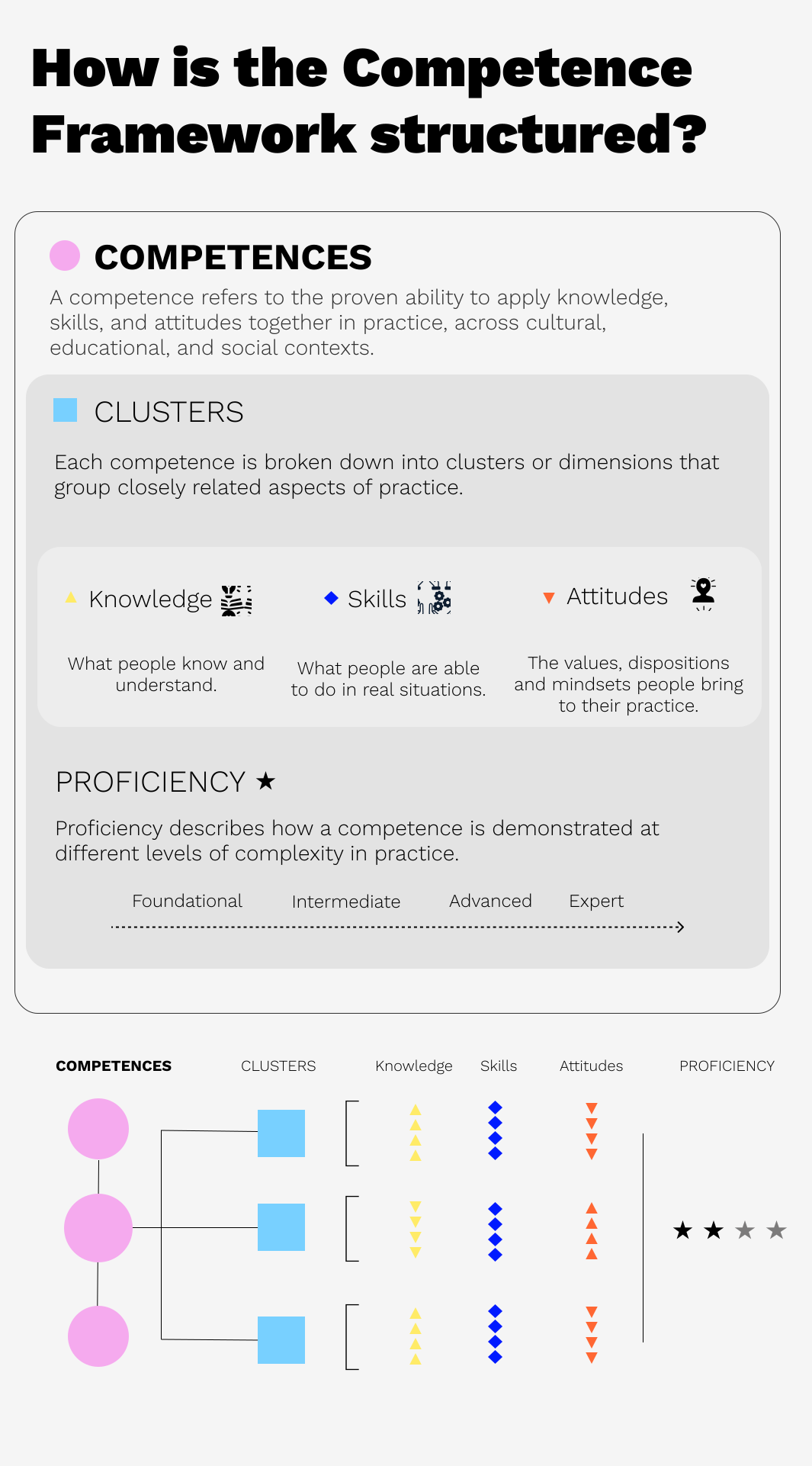
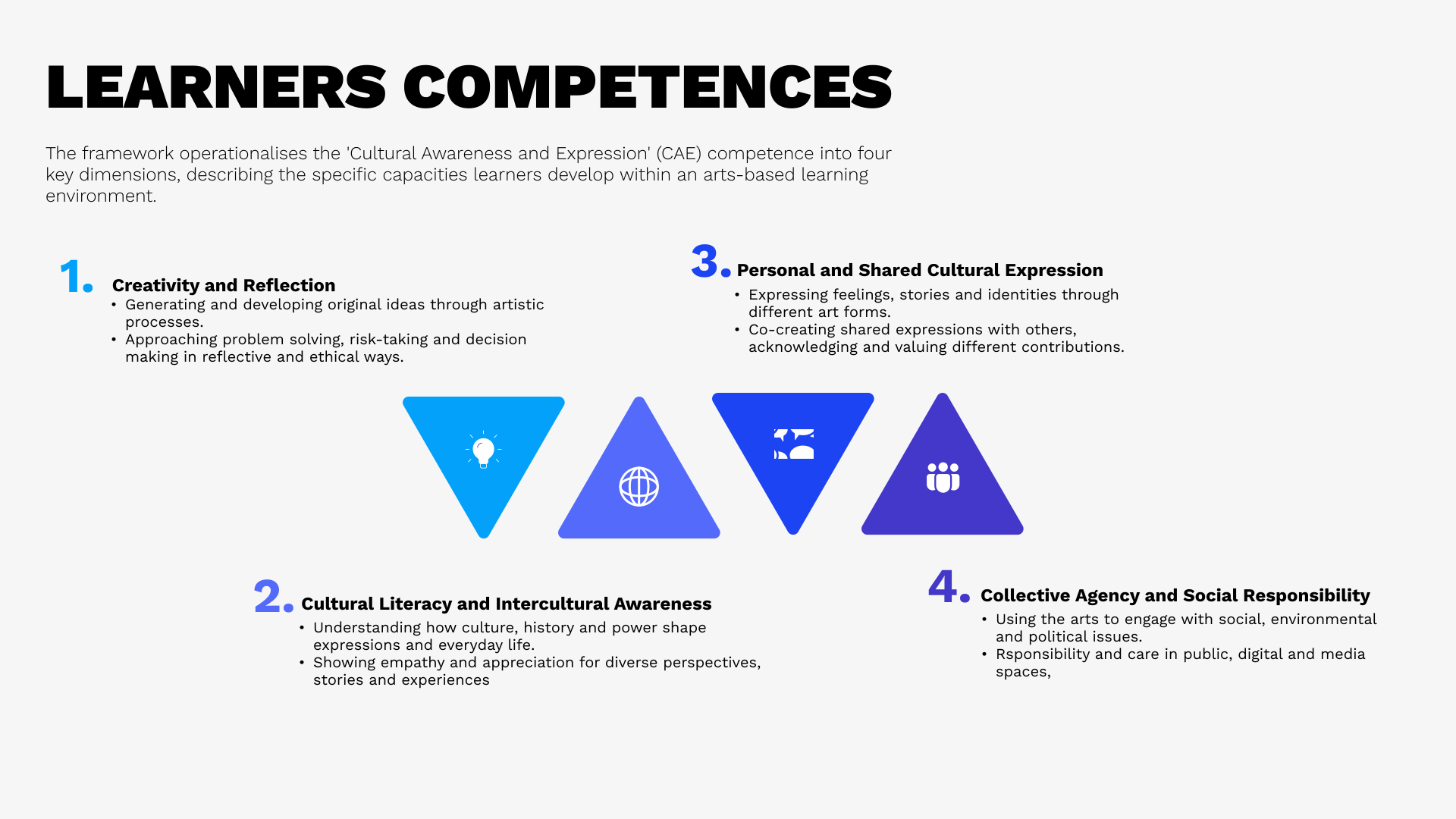
The Learners' Competence Framework focuses on what learners develop through arts-based education. It is structured around competence areas (L1–L4), each organised into clusters that include knowledge, skills, and attitudes, and described across four proficiency levels: Foundational, Intermediate, Advanced, and Expert. These competences cover areas such as creativity, cultural literacy, personal and shared expression, and social responsibility. The framework reflects a developmental pathway, guiding learners from initial exploration toward more independent, reflective, and socially aware forms of cultural expression. Its purpose is to make learning outcomes visible, support progression, and help learners understand their own growth.

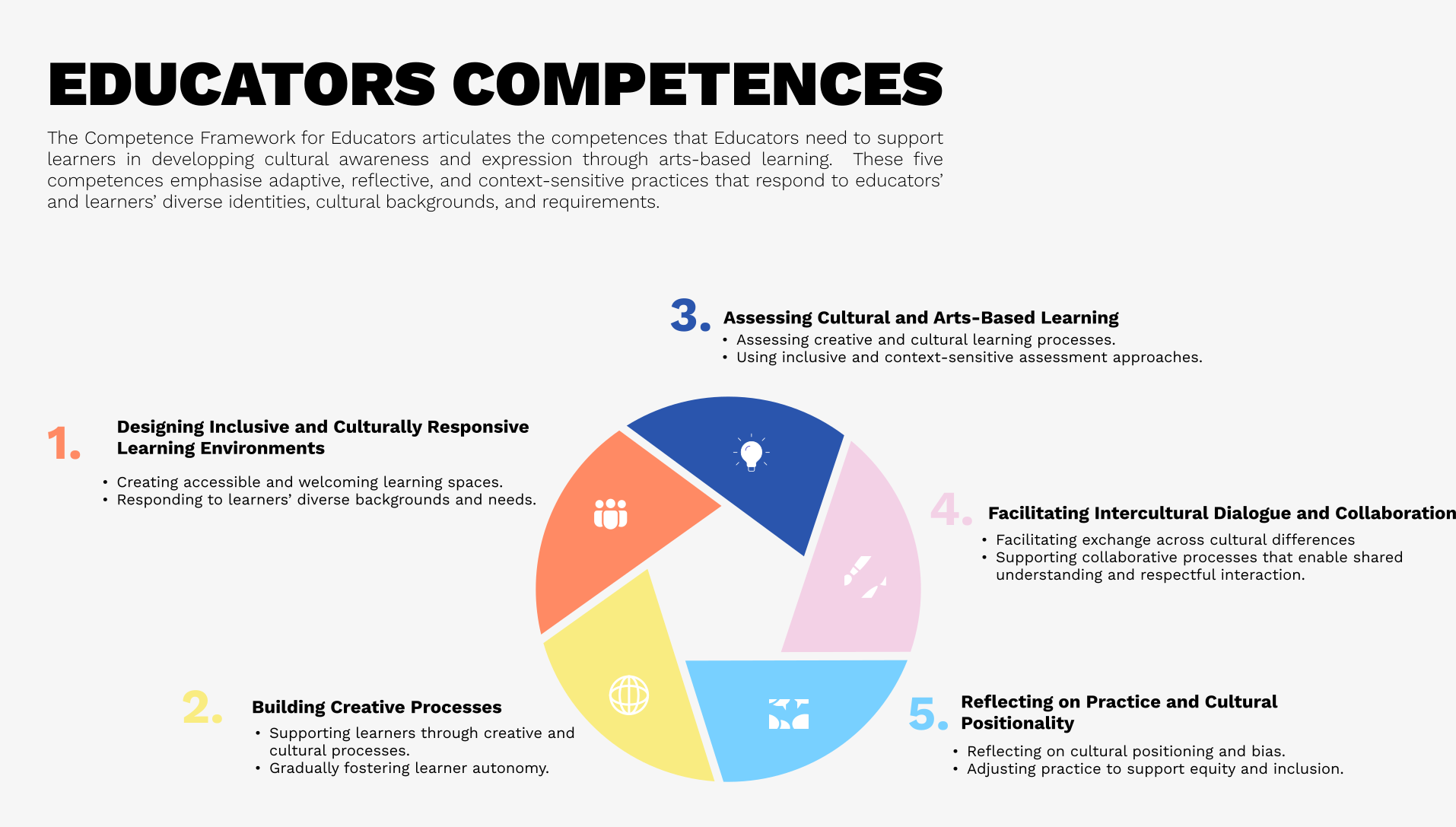
The Educators' Competence Framework, in contrast, focuses on what educators need in order to support this development. It is organised into competence areas (E1–E5), also structured through clusters of knowledge, skills, and attitudes and the same four proficiency levels. These competences include designing inclusive learning environments, facilitating creative processes, assessing arts-based learning, enabling intercultural dialogue, and engaging in reflective practice. The framework emphasises pedagogical design, facilitation, and critical reflection, highlighting the educator's role as a designer of learning experiences, a facilitator of participation, and a reflective practitioner.

The distinction between the two frameworks is therefore intentional:

  • The Learners' framework defines the learning goals and developmental outcomes
  • The Educators' framework defines the conditions, methods, and practices required to achieve those outcomes

This separation is important because cultural and artistic education is not only about what learners achieve, but also about how learning environments are created and sustained. By distinguishing between learner development and educator practice, the framework ensures clarity, supports professional development, and enables more effective alignment between teaching and learning.