
PULSE-ART: Promoting Cultural Awareness and Expression through Art-Based Learning
What is the PULSE-ART Observatory?
The PULSE-ART Observatory is a digital platform where art and education come together to foster Cultural Awareness and Expression (CAE), a key competence for lifelong learning. It offers practical resources, including an art-based learning toolkit designed to support CAE through disciplines such as dance, music, video games, visual technology, performance and illustration. The Observatory also acts as a living community, connecting educators, learners, artists, cultural mediators, creative industry professionals and policymakers committed to cultural inclusion in education.
About the PULSE-ART ObservatoryToolkit
PRACTICAL RESOURCES FOR ART-BASED LEARNINGPULSE-ART offers a set of interconnected tools to support CAE through the arts.
Together, they offer a competence framework, professional development training, self-reflection support and an umbrella methodology for educators, learners and cultural practitioners.

Competence Framework
Provides a structured model of the capabilities needed to foster CAE through arts-based learning.
Explore
Professional Development Programme
Supports educators and cultural practitioners in designing arts-based learning experiences that promote CAE.
Explore
Self-Reflection Tool
Enables educators and learners to reflect on their CAE competences and track their progress.
Explore Login required
Methodology
Guides the design, implementation and evaluation of arts-based learning activities that foster CAE.
ExploreCase Studies
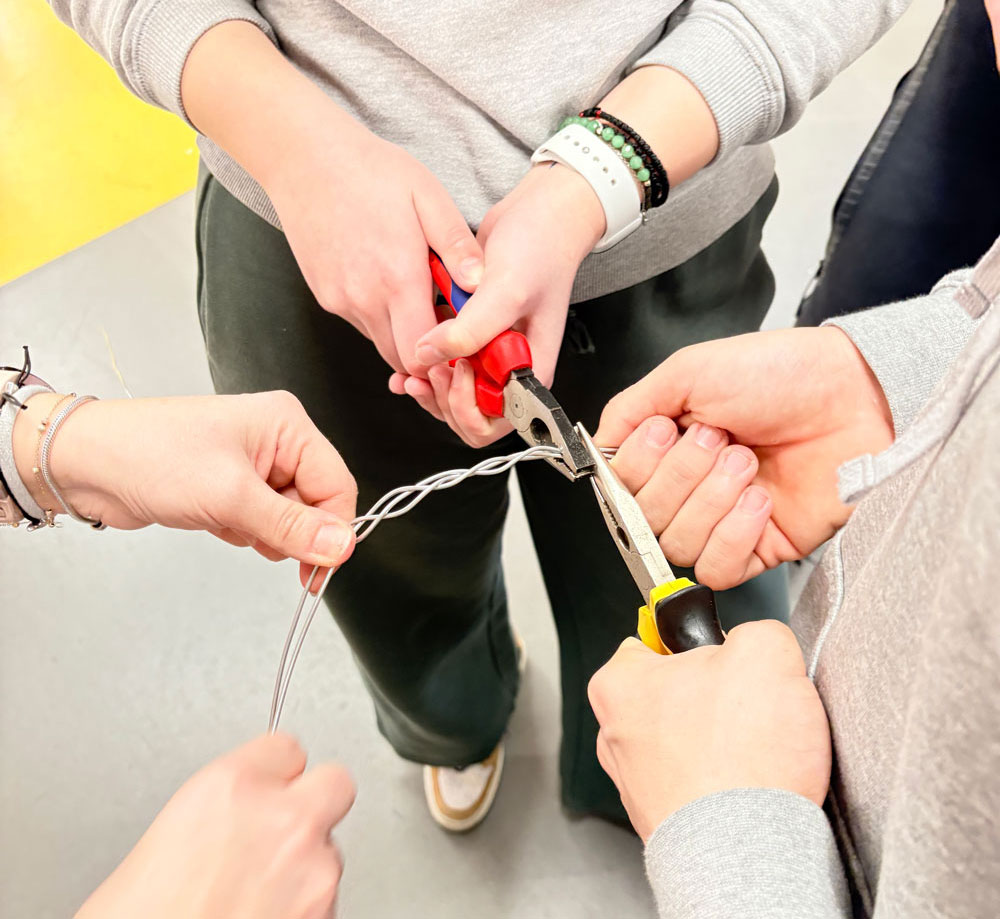
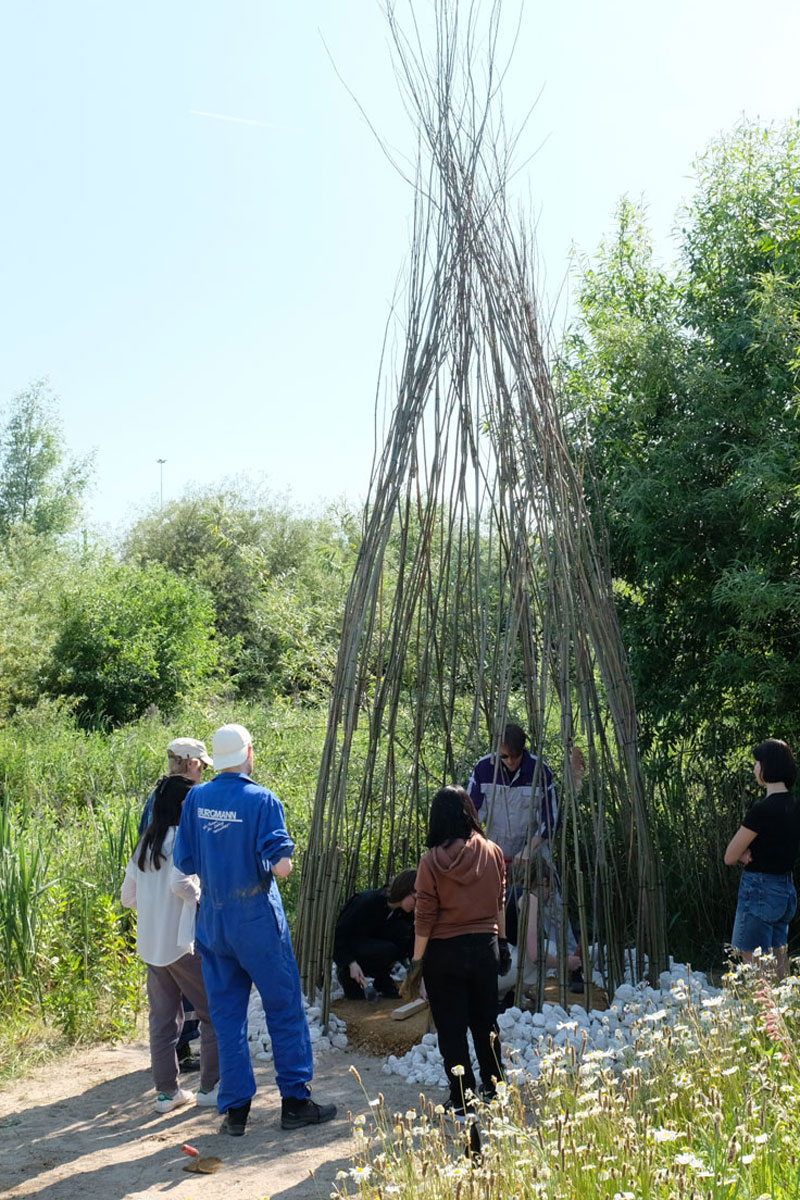
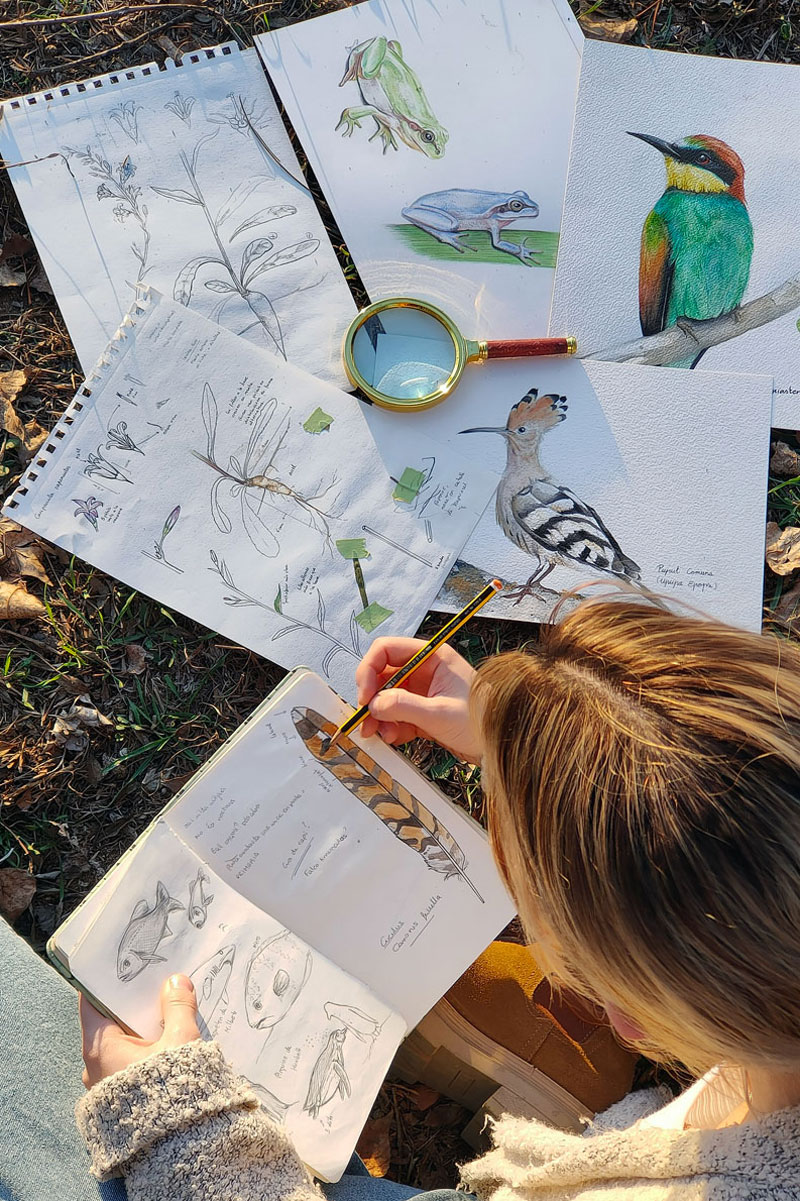
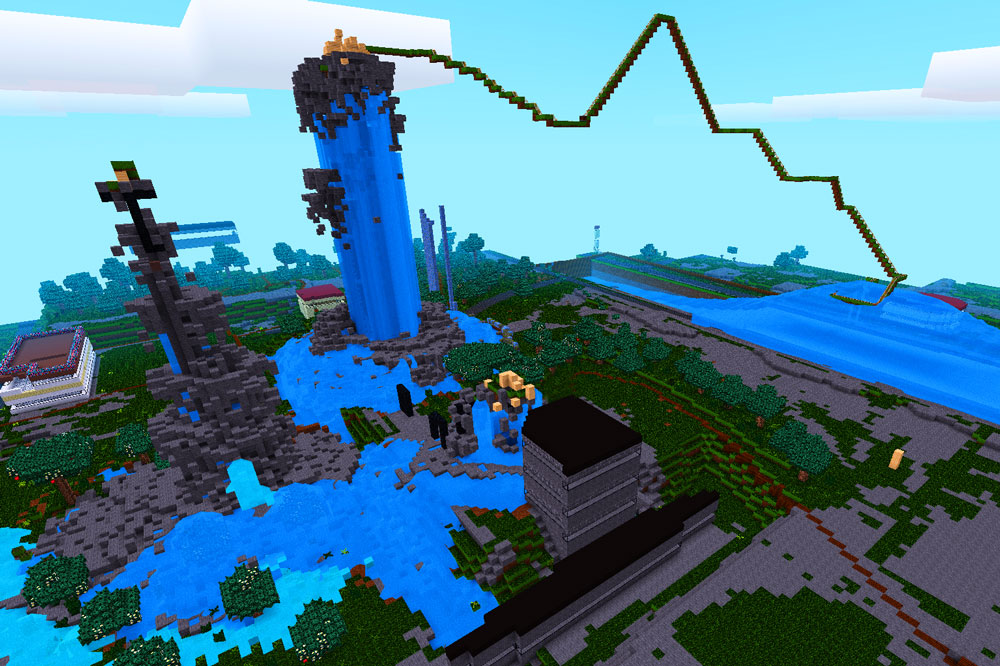
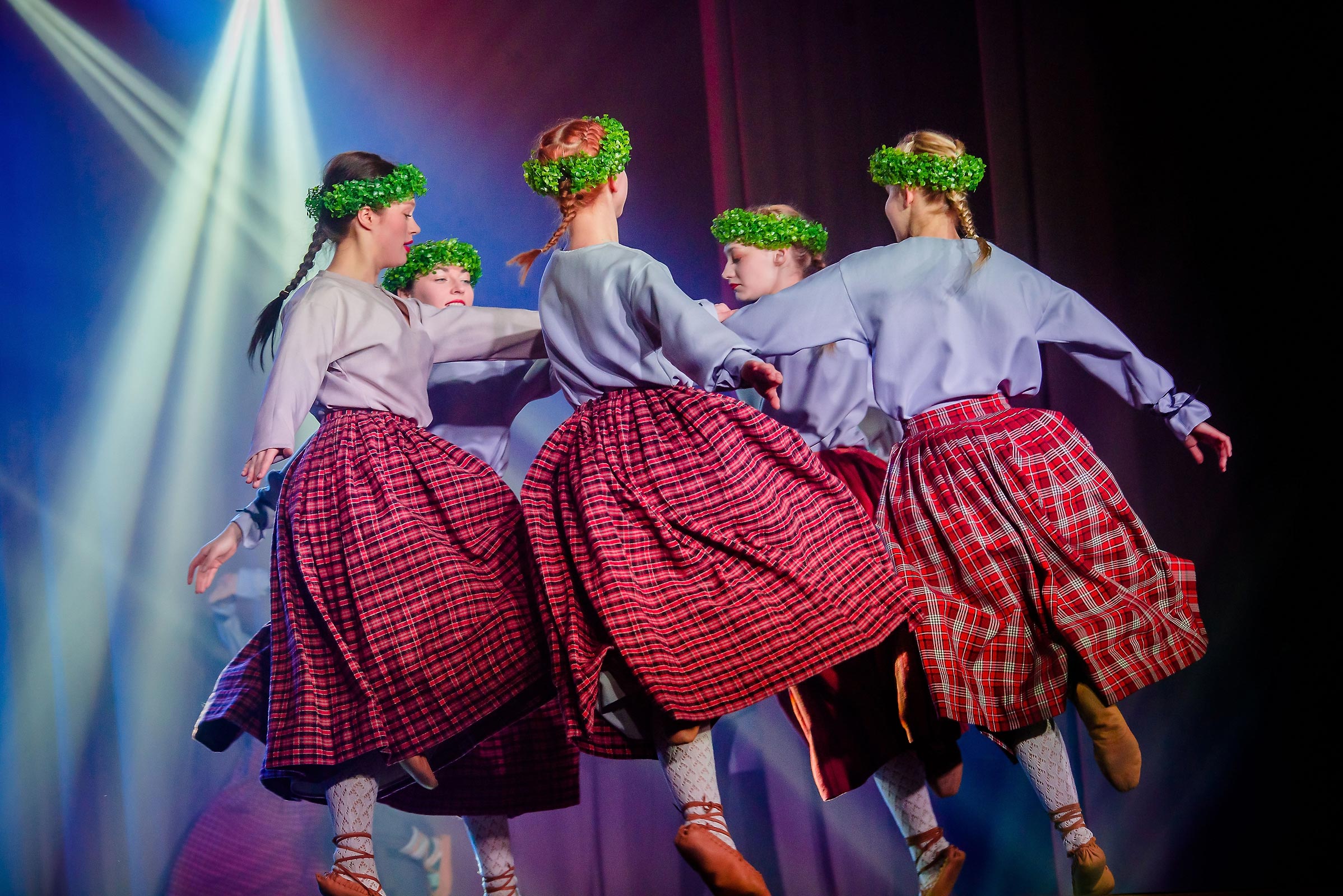
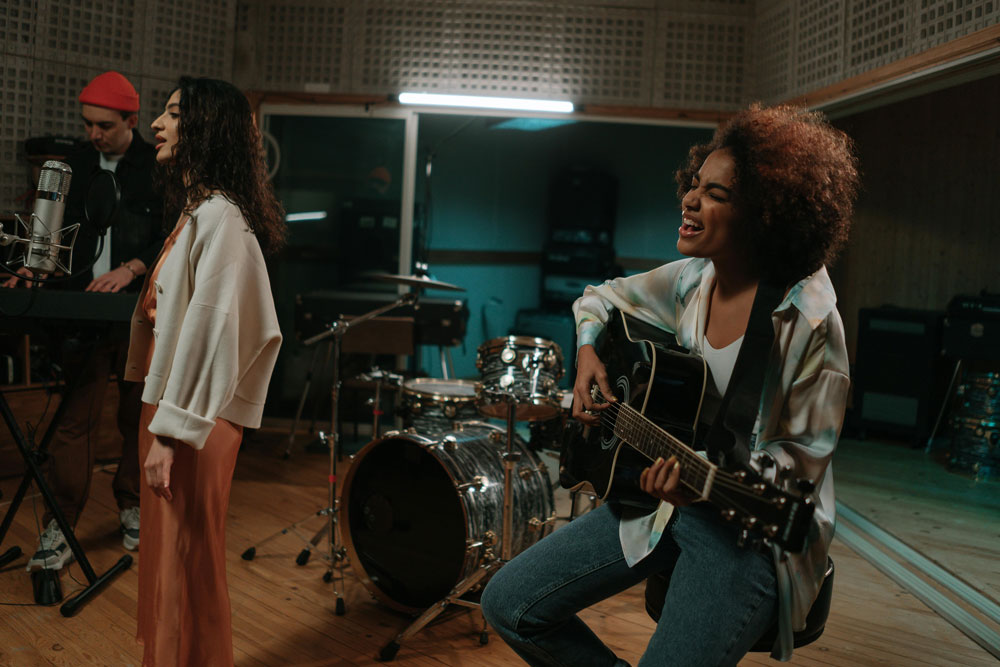
PULSE-ART is developing seven case studies to test and refine its art-based learning Methodology for developing Cultural Awareness and Expression (CAE) across different art disciplines. Each case study is implemented in a different country, with young people (16-30) from diverse backgrounds, and addresses site-specific challenges mapped with local stakeholders. Check them out!
Explore Case Studies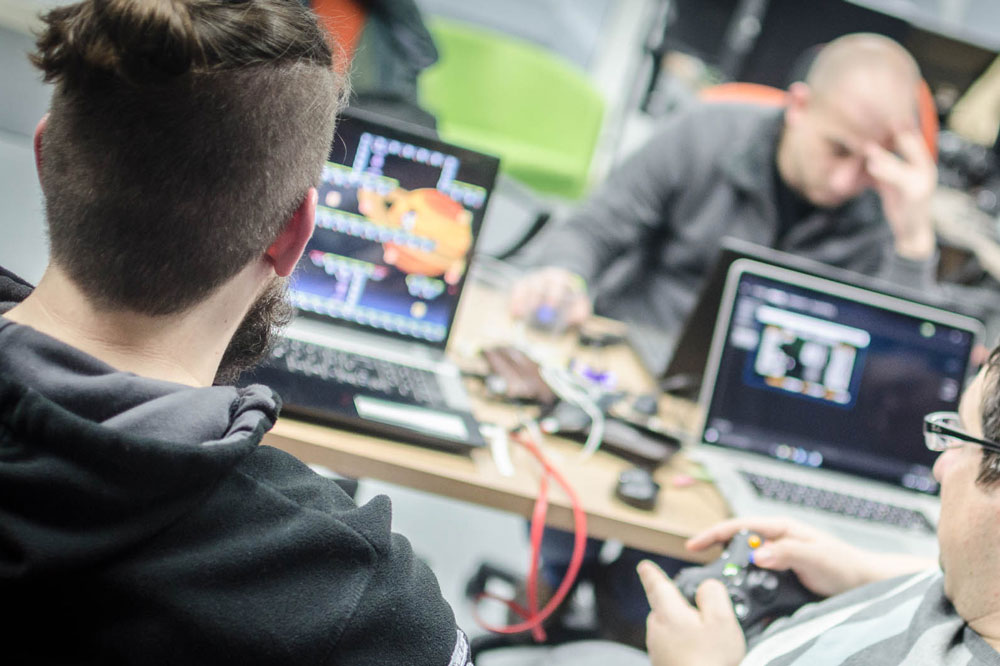
PULSE-ART Observatory for Arts in Education
Frequently Asked Questions
Find answers to key questions about the Observatory, including its purpose, target users, tools and resources, and how it supports arts-based learning. This section offers a quick overview of what the platform provides and how it can be used.
Provide access to tools, resources, and networking opportunities in art-based learning to develop Cultural Awareness and Expression (CAE) based on the findings of the PULSE-ART research project. The Observatory ensures the safe storage, management, curation, and sharing of project data, in line with the FAIR (Findable, Accessible, Interoperable, Reusable) and CARE (Collective Benefit, Authority to Control, Responsibility, Ethics) principles.
Anyone interested in art-based education, in Cultural Awareness and Expression, cultural diversity, youth participation, such as educators, artists, NGOs, researchers, policymakers, creative industries, and citizens.
The platform works as an open-access repository that gives users access to co-created and evidence-based resources and tools, and allows them to search and filter content in a variety of formats. Users can also interact with others for possible collaborations, participate in webinars, and evaluate the materials through the Observatory community.
The Observatory includes multimedia material. Examples include videos, images, infographics, texts, audio files, websites, and maps.
Creating a free account provides access to the Competence Framework and the Professional Development Programme, designed to support the development of Cultural Awareness and Expression (CAE) competence. Registration also enables access to CAE self-assessment tools, practical implementation resources drawn from seven real-world case studies on arts-based learning, and a network of educators, artists, cultural mediators, and policymakers committed to fostering cultural inclusion in education.
As a European funded project, the PULSE-ART Observatory materials will be available for eight years from the beginning of the project, meaning until 2032.
Most are in English, but some are also available in Greek, French, Latvian, Dutch, and Spanish.
The Observatory's data model fully complies with ISO 21127, ensuring interoperability and alignment with international best practices for managing cultural data.